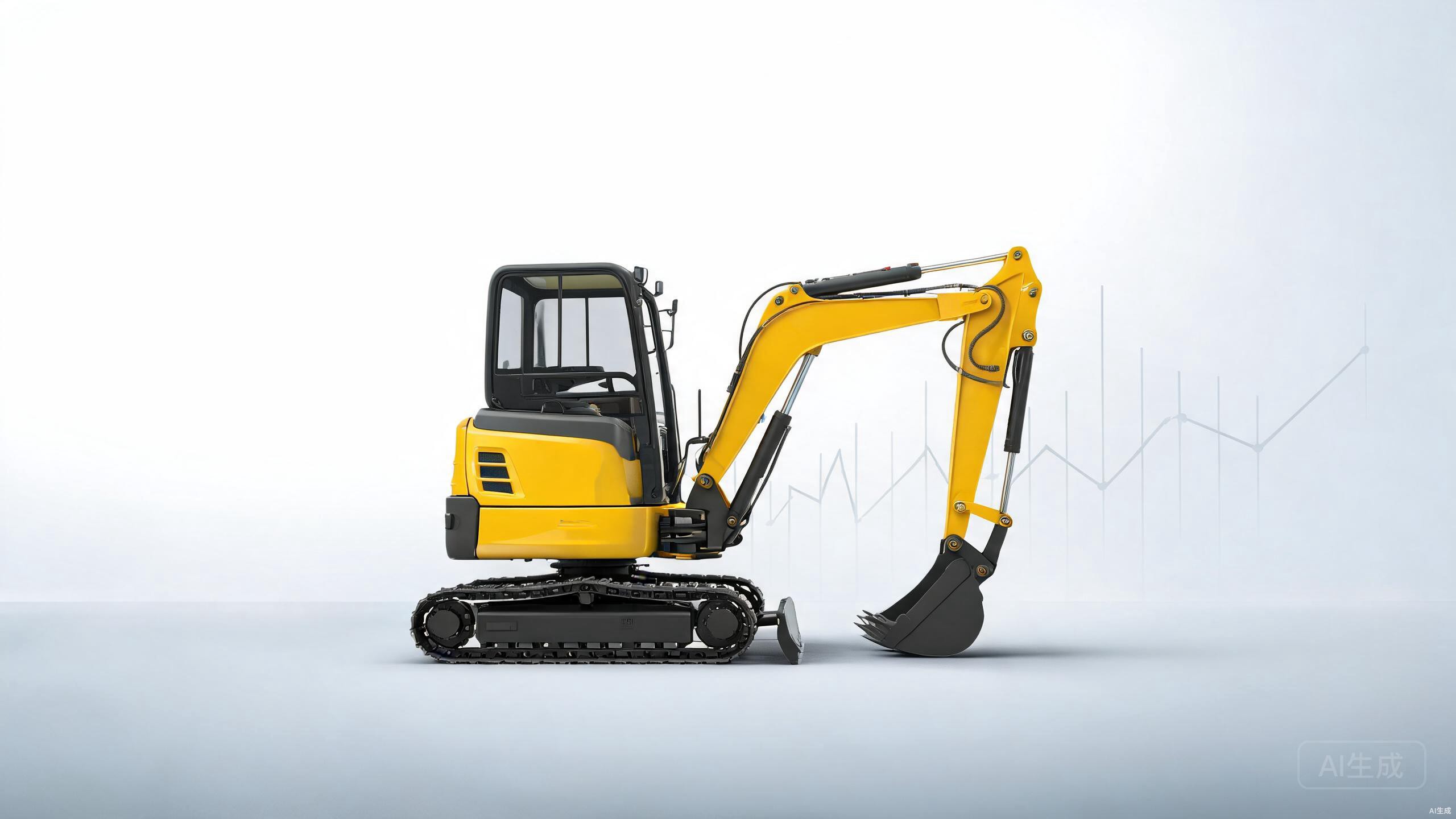
A mini excavator quotation is useful only when the configuration behind it is clear. Two machines may both be called a “2-ton excavator” while differing in engine, hydraulic system, cab, attachments, transport dimensions, warranty, and documentation. Comparing the two headline prices alone can lead to the wrong purchase decision.
This guide explains how to build a transparent mini excavator cost comparison without relying on unsupported market averages. The goal is to help contractors, dealers, farms, rental companies, and importers ask for comparable quotations.
Price Is a Structure, Not a Single Number
A machine quotation normally combines several layers:
- Base machine configuration.
- Optional attachments and accessories.
- Export packing and documentation.
- Delivery term, such as EXW, FOB, or CIF.
- Destination charges, duty, tax, clearance, and inland transport.
- Initial spare parts and after-sales support.
The same excavator can therefore have different “prices” depending on what the supplier includes and where the buyer measures the cost. Always label the comparison point: factory price, FOB price, CIF port price, or total landed cost.
1. Weight Class Changes Capability and Cost
Operating weight is a useful starting point because it usually correlates with transport requirements, digging reach, lifting ability, and the size of the hydraulic and structural components. It is not the only specification, but it helps separate different job roles.
| Buyer requirement | Questions to ask |
|---|---|
| Narrow access | What is the machine width, tail swing, and overall height? |
| Digging work | What are the digging depth, reach, breakout force, and bucket options? |
| Lifting work | What is the rated lift capacity at the required radius and height? |
| Transport | What is the operating weight with the chosen bucket and fluids? |
| Ground protection | Are rubber tracks, steel tracks, or another configuration suitable? |
A smaller excavator may have a lower purchase cost but require more cycles to complete a job. A larger unit may improve productivity but increase transport and site-access costs. The right price is the lowest total cost for the required output, not necessarily the lowest invoice.
2. Engine and Emissions Configuration
The engine influences purchase cost, fuel use, service parts, noise, and destination compliance. A buyer should request the exact engine make, model, rated output, fuel requirements, and emissions documentation rather than accepting “diesel engine” as a complete description.
Before comparing engine options, confirm:
- Availability of fuel and service parts in the destination market.
- Local emissions or registration requirements.
- Starting performance in the expected climate.
- Service tools and technician skills needed.
- Whether the quoted engine is standard or an optional upgrade.
For many export buyers, a common and serviceable engine can be more valuable than a higher headline output that is difficult to support locally.
3. Hydraulics Affect Productivity
Hydraulic performance is one of the least visible drivers of excavator value. The pump, valves, cylinders, hoses, cooling, and control system determine how smoothly the machine digs, swings, travels, and handles attachments.
Ask for:
- Hydraulic pump type and supplier.
- Main relief pressure and flow information.
- Auxiliary hydraulic flow if a breaker or auger is required.
- Control layout and pilot or mechanical control type.
- Hydraulic oil specification and service interval.
- Attachment compatibility and operating limits.
A quotation that includes an attachment should state whether the hydraulic circuit for that attachment is installed and whether the machine’s performance data changes when it is used.
4. What Is Included in the Base Quotation?
The base price often covers the machine and a standard digging bucket. Other items may be optional. Request an itemised configuration sheet containing:
| Line item | Confirm before comparing |
|---|---|
| Machine | Model, operating weight, engine, controls, and cab/canopy |
| Bucket | Width, capacity, teeth, and quantity |
| Tracks | Type, width, material, and spare requirement |
| Attachments | Breaker, auger, thumb, quick coupler, grading bucket |
| Protection | ROPS/FOPS or other required operator protection |
| Documents | Manual, parts book, inspection record, certificate documents |
| Warranty | Duration, covered components, claim process, exclusions |
Never compare a bare-machine quote with a quote that includes several attachments and extended support. Normalize the equipment list first.
5. Delivery Terms Change the Comparison
EXW, FOB, and CIF are not interchangeable prices. They transfer different responsibilities and costs between seller and buyer.
- EXW: The buyer normally arranges collection and export logistics from the supplier’s location.
- FOB: The seller’s responsibility generally reaches the named port and loading point under the agreed trade terms.
- CIF: The quotation includes cost, insurance, and freight to the named destination port, but it does not automatically include every destination charge.
For a fair comparison, request the same delivery term from each supplier. Then list the costs that remain outside the quotation: destination handling, customs clearance, duties, taxes, port storage, inland transport, inspection, and insurance where not included.
6. Build a Landed-Cost Worksheet
Use one worksheet per destination and keep assumptions visible:
| Cost layer | Data to collect |
|---|---|
| Factory configuration | Machine, attachments, documents, and warranty |
| Export logistics | Packing, inland haulage, port charges, and documentation |
| International freight | Container, RoRo, or other agreed method |
| Insurance | Coverage and insured value |
| Import charges | HS classification, duty, VAT, and other local charges |
| Clearance | Broker, inspection, port storage, and handling |
| Final delivery | Inland transport to the operating site |
| Start-up support | Training, spare parts, tools, and commissioning |
If a cost is not known, write “to be confirmed” instead of inserting a guess. This practice is especially important when comparing different countries or changing freight conditions.
7. New Versus Used: Compare Risk-Adjusted Cost
A used mini excavator may have a lower invoice price, but the buyer needs evidence about operating hours, service history, hydraulic condition, undercarriage wear, and previous repairs. Importing a used machine without a reliable inspection can convert a low purchase price into a high repair and downtime cost.
For new equipment, compare warranty, parts availability, manuals, inspection records, and supplier response. For used equipment, add a third-party inspection, transport risk, likely wear parts, and a repair reserve to the worksheet. The cheaper machine is not necessarily the cheaper project asset.
8. A Better Way to Request a Mini Excavator Quote
Send a concise technical brief with:
- Application: trenching, landscaping, foundations, agriculture, demolition, or mixed work.
- Maximum digging depth and reach.
- Required lift or handling work.
- Access restrictions and transport method.
- Soil and terrain conditions.
- Engine, emissions, or certification requirements.
- Required attachments.
- Destination port and final country.
- Preferred trade term and payment method.
- Spare parts, training, and warranty expectations.
This produces a more useful quotation than asking only for “the best price for a mini excavator.”
9. Jinlong Mini Excavator Options
Jinlong’s product range includes 1.8-ton and 3.5-ton mini excavator configurations for different access, digging, and project-scale requirements. Review the linked product pages for the current specification and ask the export team to confirm the exact configuration, available attachments, delivery term, and destination documentation before placing an order.
The product page should be treated as the starting point for a quotation, not a replacement for a project-specific load, access, and transport review.
Conclusion
A useful mini excavator price guide must explain what the price contains and what it leaves out. Start with the required work, match the weight class and configuration, compare like-for-like delivery terms, and calculate landed cost with visible assumptions. Then evaluate parts, warranty, documentation, and downtime risk alongside the invoice amount.
If you are requesting a quotation from Jinlong, send your application, required digging range, access limits, attachments, destination port, and preferred trade term. This gives the team enough information to recommend a suitable configuration and prepare a transparent comparison.