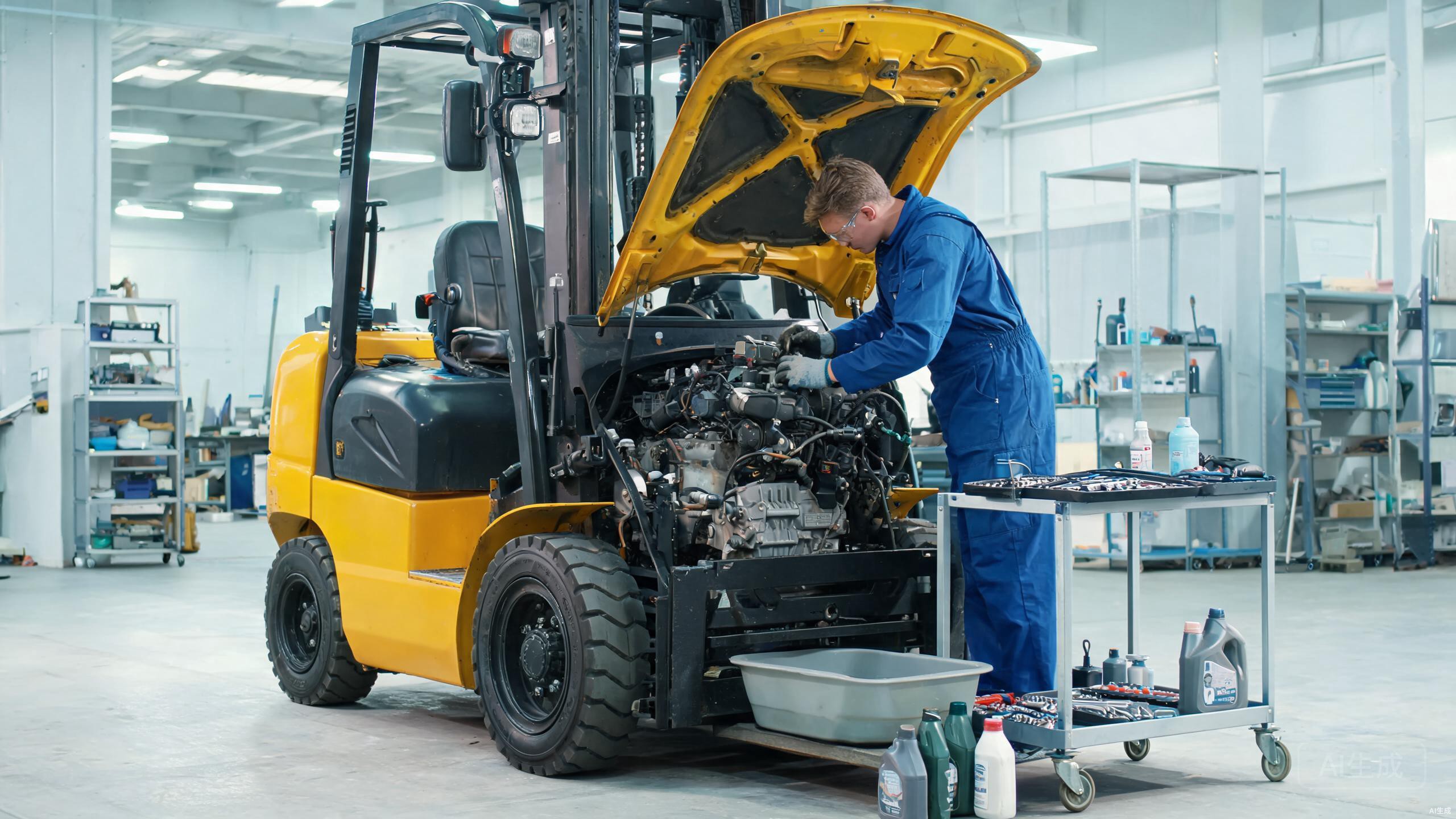
Why Forklift Maintenance Matters
A diesel forklift is one of the most valuable assets in any warehouse, construction site, or logistics operation. Proper maintenance not only extends the machine's service life but also ensures operator safety, reduces downtime, and lowers total operating costs. Studies show that well-maintained forklifts have 30% fewer breakdowns and can last up to 50% longer than neglected machines.
This comprehensive guide covers everything you need to know about maintaining your diesel forklift, from daily operator checks to annual professional servicing.
Daily Maintenance Checks
Every operator should perform these checks before starting their shift:
Pre-Operation Inspection
- Engine oil level: Check the dipstick and top up if necessary. Running a diesel engine with low oil can cause catastrophic engine failure within minutes.
- Coolant level: Ensure the radiator is full. Low coolant leads to overheating, which can warp the cylinder head and damage gaskets.
- Hydraulic fluid: Check the sight glass or dipstick. Low hydraulic fluid reduces lifting capacity and can cause jerky mast operation.
- Fuel level: Always start the day with a full tank to prevent condensation buildup in the fuel system.
- Tire condition: Inspect all tires for cuts, wear, and proper inflation. Solid tires should be checked for chunking or flat spots.
Operational Checks
- Test the brakes: Forward and reverse, parking brake
- Check steering response: Left, right, and center
- Test the mast: Raise, lower, tilt forward and back
- Verify horn, lights, and backup alarm functionality
- Check seat belt condition
- Inspect forks for cracks, bending, or excessive wear
Weekly Maintenance Tasks
In addition to daily checks, perform these tasks once a week:
1. Air Filter Inspection
The air filter is your diesel engine's first line of defense against dust and debris. A clogged air filter reduces engine power and increases fuel consumption by up to 10%. Remove the filter and inspect it visually. If it appears dirty, clean it according to the manufacturer's instructions or replace it.
Pro Tip: In dusty environments such as construction sites, check the air filter daily rather than weekly. A clean air filter is the single most cost-effective maintenance item for any diesel engine.
2. Battery Inspection
Check battery terminals for corrosion and clean them with a wire brush and baking soda solution if needed. Verify that the battery is securely mounted and that connections are tight. Test the battery voltage with a multimeter; a healthy battery should read 12.6 volts or higher when the engine is off.
3. Lubrication Points
Grease all designated grease fittings (zerks) on the mast, steering linkage, and other moving components. Use a quality lithium-based grease and pump until you see clean grease emerging from the seals. Do not over-grease, as this can damage seals and attract dust.
| Component | Grease Interval | Grease Type |
|---|---|---|
| Mast chains | Weekly | Lithium EP2 |
| Steering linkage | Weekly | Lithium EP2 |
| Fork carriage | Weekly | Lithium EP2 |
| Kingpin | Bi-weekly | Lithium EP2 |
| Mast rollers | Monthly | Lithium EP2 |
Monthly Maintenance Tasks
1. Engine Oil and Filter Change
Change the engine oil and oil filter according to the manufacturer's recommended interval, typically every 200 to 250 operating hours. Use the correct viscosity grade for your climate. In tropical regions, SAE 15W-40 is the most common recommendation.
2. Fuel Filter Replacement
Diesel fuel filters should be replaced monthly or every 250 hours. Diesel fuel can contain water and microbial growth (diesel bug), which clogs filters and damages fuel injectors. Consider using a fuel additive to prevent microbial growth, especially in humid climates.
3. Hydraulic System Check
Inspect all hydraulic hoses for leaks, cracks, or bulging. Check hydraulic fittings for tightness. Look for oil accumulation under the machine, which may indicate a slow leak. Address any hydraulic issues immediately, as hydraulic system failures can be dangerous and expensive to repair.
4. Cooling System Flush
Every three to six months, flush the cooling system and replace the coolant with fresh antifreeze mixture. Use a 50/50 mix of antifreeze and distilled water for optimal protection. Check radiator hoses for softness, cracks, or swelling.
Quarterly Maintenance Tasks
1. Transmission Service
Check and replace transmission fluid as recommended by the manufacturer. Low or dirty transmission fluid causes rough shifting and can lead to transmission failure.
2. Brake System Inspection
Inspect brake pads, linings, and drums for wear. Diesel forklift brakes work hard and need regular attention. Replace worn brake components before they reach their minimum thickness. Check brake lines for leaks or damage.
3. Mast Chain Adjustment
Check mast chain tension and adjust as needed. Loose chains cause the mast to operate unevenly and can jump off sprockets. Lubricate chains with chain lubricant and check for damaged links or rollers.
Annual Professional Service
Once a year, schedule a comprehensive inspection and service by a qualified technician. This should include:
- Complete engine tune-up including fuel injector inspection
- Hydraulic system pressure testing
- Load testing to verify rated capacity
- Frame and chassis inspection for cracks or fatigue
- Complete electrical system diagnostic
- Emission system check
- Full safety inspection
Troubleshooting Common Issues
Engine Hard to Start
- Check fuel supply and fuel filter
- Inspect glow plugs (in cold weather)
- Verify battery condition and connections
- Check air intake for blockages
Loss of Power
- Check air filter restriction
- Verify fuel filter is not clogged
- Inspect turbocharger (if equipped)
- Check fuel injection timing
Hydraulic System Problems
- Slow lifting: Check hydraulic fluid level and pump output
- Jerky operation: Bleed air from hydraulic system
- Drifting: Check lift cylinder seals and control valve spools
Conclusion
A well-maintained diesel forklift is a reliable, productive, and safe machine that will serve your business for many years. By following the daily, weekly, monthly, and annual maintenance schedules outlined in this guide, you can minimize downtime and maximize your return on investment. Jinlong diesel forklifts are designed for easy maintenance, with conveniently located service points and readily available spare parts. Contact us for maintenance advice, spare parts, or to discuss upgrading your fleet.